
A Guide to the Best Handcuffs for Police Officers
A Guide to the Best Handcuffs for Police Officers
These seemingly simple devices, constructed from metal and often featuring a locking mechanism, are far more than just restraining tools. They represent a linchpin in the delicate balance between individual liberties and public safety. For a police officer, handcuffs are not just equipment; they are a fundamental element of their daily interactions, a way to de-escalate tense situations, and to maintain control when other methods fail.
The primary purpose of handcuffs, of course, is to physically restrain individuals. In law enforcement scenarios, this is crucial for a number of reasons. They prevent suspects from fleeing, resisting arrest, or harming themselves, officers, or others. They allow police officers to safely and securely transport individuals to a detention facility or other location as needed.
Okay, let's delve into the world of handcuffs used by UK police officers. While the general public might picture a simple pair of metal restraints, the reality is that there's a range of designs, each with its specific purpose and mechanism.
What Handcuffs and Restraints Do Police Use In The UK?
Behind the Cuffs: Exploring the Different Types of Handuffs and Restraints
Handcuffs, a ubiquitous symbol of law enforcement, are often perceived as a single, standard device. However, a closer look reveals a variety of designs, each tailored to specific situations and offering different levels of restraint and control. From the disposable zip tie to the total control, here’s an exploration of the most common types of handcuffs and limb restraints.
Limb Restraints - Safety Option:
Limb restraints, also known as soft restraints or flexible cuffs, are essential tools used by law enforcement officers and healthcare professionals to ensure the safety of individuals who may be a risk to themselves or others. These devices, typically made from fabric, nylon, or similar materials, are designed to restrict the movement of a person's limbs without causing undue discomfort or injury. They are less rigid and potentially less abrasive than traditional steel handcuffs, offering a safer alternative when the situation calls for it.
The primary purpose of using limb restraints is to maintain safety and order, rather than inflicting punishment. They serve as a crucial safeguard for various individuals, including those who may be aggressive or violent, at risk of self-harm, or attempting to escape. By temporarily restricting movement, restraints can prevent physical harm to both the individual being restrained and the officers involved, as well as protect the general public from potential harm.
One category of limb restraints is soft leg restraints, which are often made from Velcro or fabric. These adjustable devices restrict the movement of the legs, offering increased comfort and safety compared to metal leg irons. Soft leg restraints are valuable in preventing kicking or further resistance, making them a popular choice in situations where de-escalation is essential.
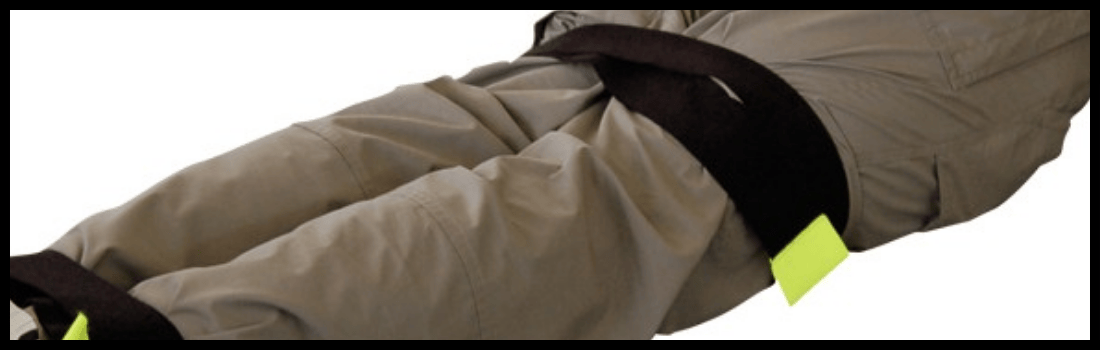
When employing limb restraints, it's crucial to adhere to guidelines and best practices to ensure their safe and effective use. Proper application and monitoring are necessary to prevent unnecessary discomfort, injury, or potential psychological distress.
Limb Ties (Flexicuffs): Limb ties, often referred to as flexicuffs or disposable zip ties, represent a readily available and cost-effective alternative to traditional metal handcuffs in law enforcement.
Composed of flexible, disposable plastic, these ties are designed to secure an individual's wrists or ankles by ratcheting tightly around the limb. While generally considered a less secure restraint compared to metal handcuffs due to their susceptibility to being cut or broken with sufficient force, limb ties offer practical advantages in certain situations.
Their lightweight and disposable nature makes them ideal for managing multiple detainees or for circumstances where standard handcuffs are unavailable or insufficient, such as during mass arrests or in emergency situations. The versatility of limb ties allows officers to quickly and efficiently restrain individuals, providing a valuable tool for maintaining order and control when a restraint is deemed necessary.
However, due to their potential to cause injury if applied too tightly or for prolonged periods, careful application and monitoring are critical when utilising flexicuffs.
Rigid Handcuffs - Superior Control
Rigid handcuffs, characterised by their solid, inflexible bar joining the two cuffs, represent a distinct approach to restraint, prioritising control above all else. This design, standard in the UK, dramatically curtails the detainee's wrist mobility, creating a far more secure hold compared to flexible alternatives.
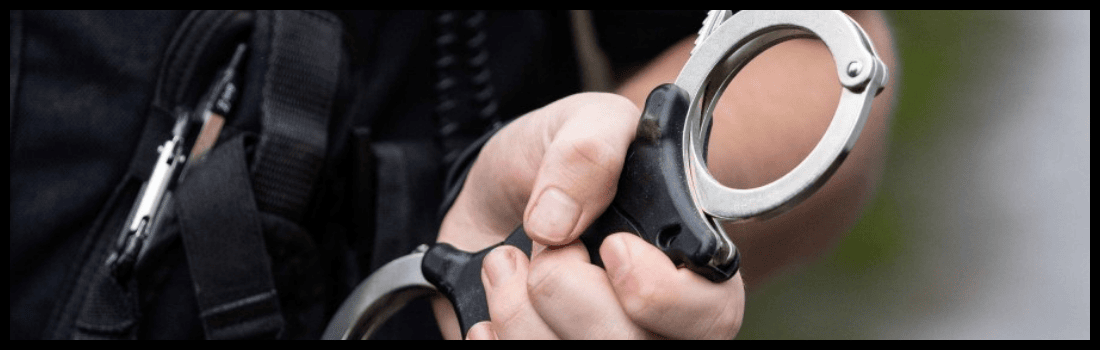
The limited range of motion makes evasion and resistance significantly more challenging, providing law enforcement with a greater degree of control during apprehension and transport. Furthermore, the rigid structure effectively eliminates the possibility of the detainee utilising the cuffs as a tool for leverage or for hooking onto objects or personnel, further enhancing the safety and security of the situation. This lack of give is a designed feature that adds confidence to the officers handling the individual.
Chain Handcuffs - The Traditional Option
Chained handcuffs, the classic image that often springs to mind when considering restraints, remain a widely used tool, although their prevalence is waning in some areas. These handcuffs, distinguished by a chain connecting the two cuffs, offer a traditional approach to securing an individual.
Their design, while providing a degree of flexibility that can offer some comfort to the detainee, also presents drawbacks. This very flexibility allows for a larger range of motion, which can be exploited by a restrained person, increasing the risk of escape attempts or injury to themselves or others.

Furthermore, the robust chain, while sturdy, has the potential to be used as a weapon, further highlighting the limitations of this traditional method in certain high-risk situations.
Foldable or Hinged Handcuffs - A Versatile Compromise
Foldable or hinged handcuffs represent a clever compromise in restraint technology, bridging the gap between the rigid control of fixed cuffs and the flexibility of traditional chain handcuffs.
These cuffs incorporate a hinge mechanism that allows them to fold upon themselves, significantly reducing their size for storage and transportation. This feature is particularly valuable for law enforcement and security personnel who often need to carry multiple sets of restraints or operate in confined spaces.
Despite their compact form when folded, hinged handcuffs maintain a high level of robustness and security when deployed. The hinge design provides a more direct connection between the cuffs, offering a level of control closer to rigid cuffs and limiting the range of motion for the restrained individual compared to chain models. This unique combination of portability, security, and functionality makes them a versatile solution for a diverse range of operational scenarios.
Now that we have considered all of the information mentioned so far in this article…
What Are The Best Handcuffs And Restraints for Police Officers?
By focusing on the mentioned key areas, Police Supplies ensures that their customers have access to the most dependable and effective handcuffs available. This commitment extends beyond just the product itself. The team also offers expert advice and support, helping departments and individual officers choose the best handcuffs to meet their specific needs and operational requirements.
So, with that said, let’s take look at some of the best-selling handcuffs and restraints, relied upon by our police professionals:
Rigid Handcuffs - TCH 840
The TCH840 rigid handcuffs have earned a strong reputation among law enforcement officers, often cited as a preferred choice for their reliability and robust construction. Their rigid design minimises the range of motion for detained individuals, offering a higher degree of control and security compared to chain-linked cuffs. This feature is particularly beneficial in situations requiring a firm grasp, reducing the risk of escapes or manipulation.
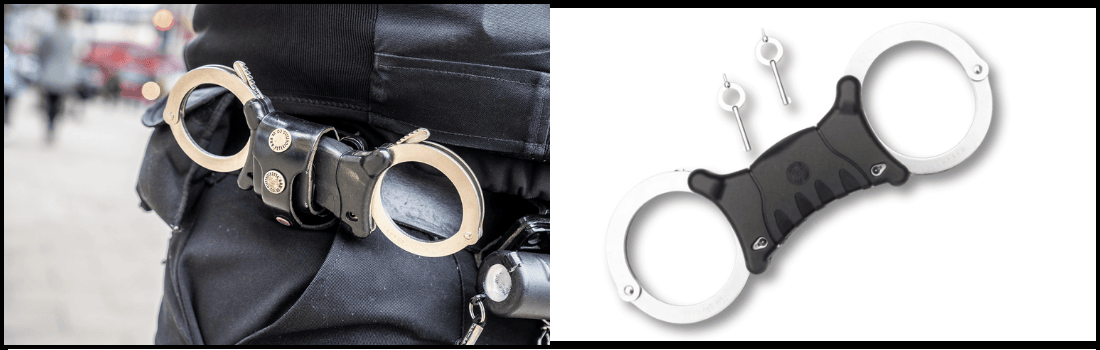
The TCH 840 handcuffs durable materials, typically steel, ensure they can withstand the rigors of daily police work and maintain their integrity under pressure. While the rigidity may present some limitations in certain situations, many officers find the added security and control they provide to be a significant advantage, making the TCH840 cuffs a favoured option in their toolkit for managing potentially volatile encounters.
Chained Handcuffs - TCH 800B Standard Chain Handcuffs in a Black Finish
The TCH800B Standard Chain Handcuffs, with their sleek black finish, are a common sight on the belts of police officers worldwide.
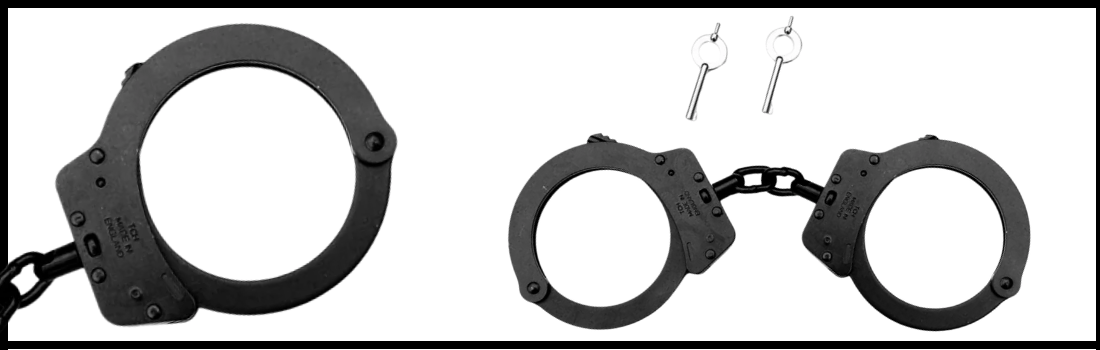
These restraints are a crucial tool for law enforcement, designed to temporarily restrict the movement of individuals being taken into custody. The black finish, while aesthetically consistent with many modern police uniforms and gear, also serves the practical purpose of minimising glare, ensuring a more discreet appearance in various operational environments.
The standard chain configuration offers a reliable balance between flexibility and control, allowing for a controlled range of motion while maintaining security.
Folding Handcuffs - TCH852B Dual Key Black Rigid Folding Handcuffs
The TCH852B Dual Key Black Rigid Folding Handcuffs are a specific model of restraint equipment used by some police forces in the UK.
These handcuffs are characterised by their robust, rigid construction and the fact that they utilise a dual-key system, requiring a specific key for both locking and unlocking. The rigid design significantly limits the movement of a detained person, offering a higher degree of control compared to chain-linked handcuffs. Their black colour often indicates a tactical or modern design, and the folding mechanism allows for more compact storage when not in use.
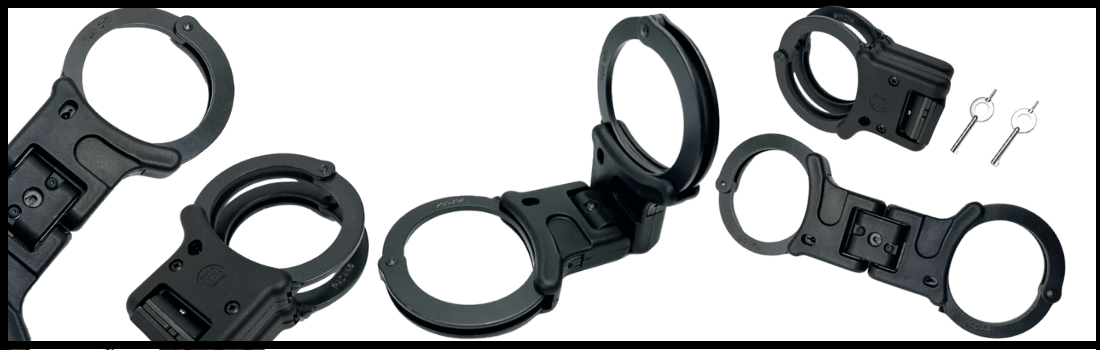
These handcuffs are typically constructed from hardened steel, designed to withstand significant force and resist tampering, making them a reliable tool for law enforcement in maintaining control and ensuring the safety of both officers and individuals under arrest.
Hinged Handcuffs - TCH 830 Hinge Superior Handcuffs
The TCH830 Hinge Superior Handcuffs represent a significant offering in the law enforcement toolkit, specifically designed to provide police officers with a reliable and secure restraint option.
The hinged design of these handcuffs differentiates them from standard chain-linked models, offering a more rigid and controlled method of detainment. This increased rigidity can be advantageous in preventing subjects from manipulating the cuffs or using them to inflict self-harm or harm to others.
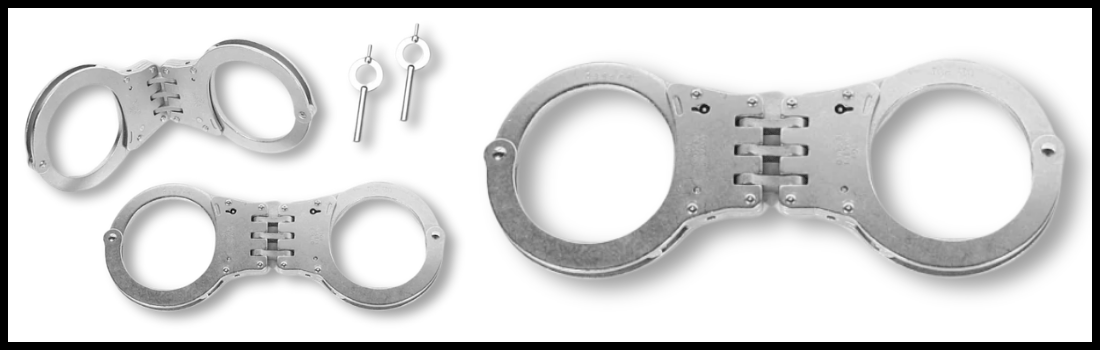
The Superior designation often indicates a higher quality of materials and construction, suggesting enhanced durability and resistance to tampering, which are critical features for law enforcement professionals. The choice of handcuffs is an important one for officers, as they must balance the need for secure restraint with the safety and well-being of both the subject and themselves.
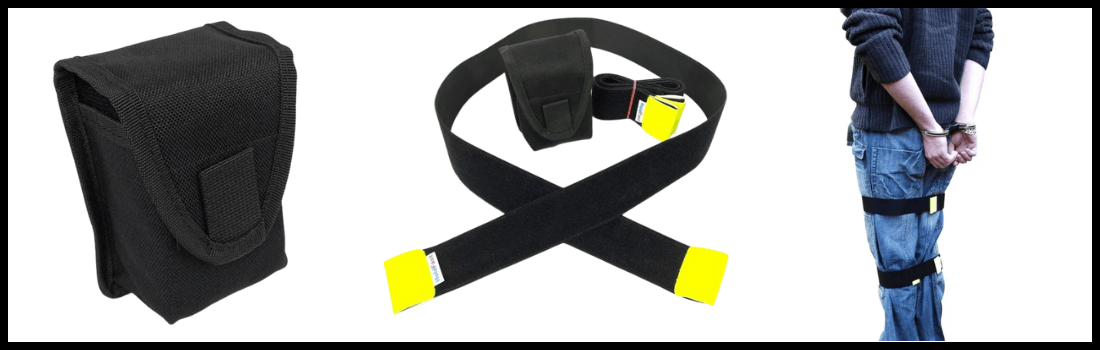
Limb Restraints - Protec Holdfast Limb Restraints
The Protec holdfast limb restraints is designed to reduce the inherent dangers that come with trying to control aggressive, violent people who are handcuffed to the rear, but still manage to represent a significant threat to officers. When applied, the holdfast limb restraints provide officers considerably more control over violent subjects who resist when being placed into a Police vehicle.
By design, the purpose of the Holdfast Leg Restraint is to restrict the ability of the offender to kick, this reduces the risk of injuries and damage to police vehicles considerably.
What Handcuff Accessories Do Police Use?
Alongside the standard issue handcuffs, police officers often utilise a range of accessories designed to enhance their effectiveness and accessibility. These accessories commonly include handcuff keys, which are essential for quick and safe release in various situations.

Crucially, officers also employ specialised handcuff pouches, typically worn on their duty belts, to securely hold and protect the handcuffs, ensuring they are readily available when needed and minimising the risk of loss or damage during active duty. The combination of handcuffs and these strategic accessories contributes to a more efficient and safer operational environment for law enforcement.
Among the many accessories available, one of the best-selling and most trusted by police officers at Police Supplies is the Protec Black Molle Double Rigid Handcuff Utility Pouch. This pouch is highly regarded for its durability, ease of access, and reliable construction, making it a preferred choice for officers who need to ensure their handcuffs are both secure and quickly accessible during duty.
Another popular accessory is the Zak Tool Extension Cuff Key Holder. This device enhances the use of the original handcuff key by incorporating a longer shaft and a swivel design, allowing the operator to manipulate the key by rolling the barrel between the thumb and forefinger. Despite its extended and ergonomic design for improved control, it still retains the essential double-locking pin on the back of the key, making it a practical and efficient tool for daily operational use.
So, with all of that said… here are some frequently asked questions to assist you further in your decision selecting the best handcuffs and restraints for your, as a police officer.
FAQ:
1. How Much Do Handcuffs Cost?
While pinning down an exact price is difficult, understanding the factors that influence the cost can provide valuable insight into the resources available to UK police forces and the importance of responsible allocation of these resources. The next time you see a police officer, remember that those seemingly simple restraints are a vital part of the work they do and represent a careful balance of cost, safety, and effectiveness.
2. Do UK Police Officers Buy Their Own Handcuffs?
To be absolutely clear, UK police officers do not buy their own standard-issue handcuffs. This crucial piece of equipment is provided by their forces, ensuring consistency, accountability, and the safety of both officers and the public.
While standard-issue handcuffs are, as the name suggests, the standard, it's not uncommon for police officers to own additional sets of handcuffs which they purchase themselves. This might seem surprising, but there are practical reasons for this.
3. Do Police Officers Still Use Chained Handcuffs?
While chained handcuffs remain a familiar and often-used tool for UK police officers, they represent only one element within a more comprehensive spectrum of restraint techniques. The decision of which method to employ isn't arbitrary, but rather a carefully considered process informed by a dynamic risk assessment.
Officers must weigh the need for security and control against the safety of both themselves and the individual being restrained, while also adhering to human rights principles.This balancing act means that while chained handcuffs provide a degree of control, other methods are frequently considered and are gaining traction. Notably, there appears to be a growing shift towards the use of total control handcuffs, which significantly limit wrist movement, and Foldable or hinged Handcuffs, which offer a greater level of control while potentially reducing the risk of injury compared to traditional chained cuffs. This evolution in restraint practices reflects a continuous effort to refine approaches, prioritising both effectiveness and the well-being of all involved.
Let’s conclude:
In closing, handcuffs are not just tools; they are a symbol of authority, a means of control, and a fundamental part of the law enforcement toolkit. Choosing the right pair is a serious responsibility.
By thoughtfully considering the information provided in this guide, coupled with continuous training and awareness, officers can confidently and effectively utilise these essential instruments to maintain order, protect themselves, and ensure the safety of the communities they serve.
Make informed decisions, prioritise quality, and remember that the reliability of your restraints directly contributes to your effectiveness on the job and the integrity of law enforcement as a whole.
Why choose Police Supplies for your Handcuffs and Restraints?
When it comes to crucial equipment like handcuffs and restraints, choosing the right supplier isn't just about convenience; it's about reliability, safety, and performance. Police Supplies stands out as a premier provider for several compelling reasons. Firstly, our commitment to quality is unwavering.
We understand that these tools are used in high-stakes situations, and we only stock products manufactured to the highest standards, using durable materials that can withstand rigorous use. This dedication translates to handcuffs and restraints that are dependable, long-lasting, and perform flawlessly when it matters most.
Secondly, we offer a wide selection, catering to diverse needs and preferences. Whether you require standard chain cuffs, Foldable or hinged cuffs, or specialised restraints, we have options to suit various operational requirements. Finally, our experience and understanding of law enforcement needs ensure that we provide knowledgeable assistance and a streamlined purchasing process, making Police Supplies a trusted and reliable partner for all your handcuff and restraint needs.
Contact
Choosing the right handcuffs and restraints for the job can be difficult, even armed with all of the information and answers above. If you are still unsure, our team at Police Supplies would be more than happy to assist you.
You can reach us either by calling the team on +44(0)151 548 0144., you can find our opening hours on the Police Supplies contact us page. Alternatively, you can email our customer care team anytime on [email protected]. Whether you're looking for boots with specific features or simply need advice on sizing, we're here to help.