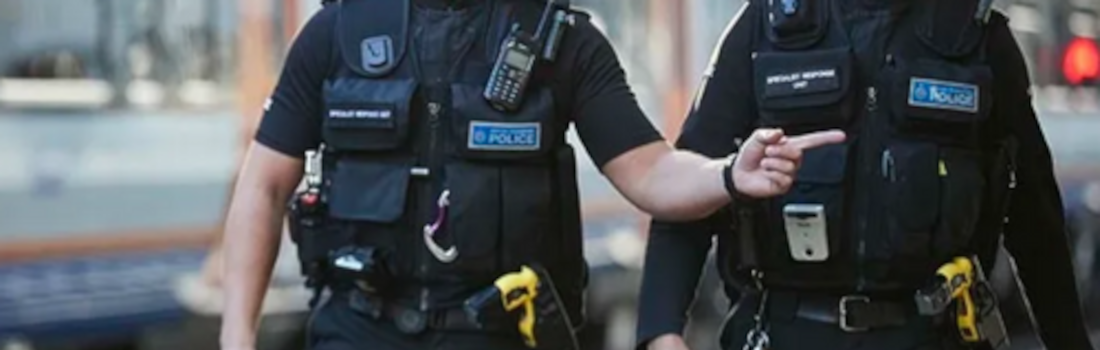
The Ultimate Body Armour Guide
Finding the Best Body Armour in the UK: Your Ultimate Guide
In today’s unpredictable world, personal safety has never been more important. For those working in high-risk professions, such as law enforcement, security, corrections, and frontline services, body armour has become an indispensable tool for protection.
Body armour is designed to safeguard against a variety of threats, including bullets, stabs, and spikes, providing critical peace of mind in dangerous situations. However, with a wide range of body armour types and protection levels available, choosing the right equipment can be confusing. Selecting body armourthat matches your role, potential threats, and workplace requirements is vital to ensure maximum safety and compliance with UK regulations.
Welcome to the ultimate guide to body armour UK, curated by the team at Police Supplies. Securing the best body armour requires a clear understanding of modern safety standards, whether you are tracking down a high-level bulletproof vest UK personnel can depend on, heavy-duty tactical body armour, or a certified stab proof vest for everyday frontline protection.
In this comprehensive guide, we strip away the jargon to break down exactly what keeps you safe by demystifying international NIJ standards and UK Home Office stab ratings like KR1 SP1 and HO1. We also look under the hood at the cutting-edge, lightweight fabrics and composite tech driving modern ballistic panels, helping you choose between covert, ultra-concealable (covert) body armour vests built for mobility and high-security overt tactical setups. Whether you are equipping an entire security firm, working the doors, or upgrading personal frontline kit, our expert guidance ensures you have the exact insights required to make an informed, safety-first choice.
Stay safe, stay prepared, and choose a body armour vest that’s designed to protect you when it matters most.
One of the most frequently asked questions about body armour is...
Are stab-proof vests legal in the UK?
The simple answer is YES - stab vests and body armour are legal to buy, own, and wear in the UK. There are no specific laws prohibiting civilians, security professionals, or emergency service workers from purchasing or using stab-resistant body armour.
These protective vests are commonly worn by police officers, security personnel, door supervisors, and individuals seeking personal protection. However, while body armour vests are legal, they must not be worn for the purpose of committing a crime, as this could lead to more serious legal consequences.Why Is Body Armour Important?
The significance of Body armour in the UK cannot be overstated, as it acts as a vital shield against a diverse array of potential dangers.
Police and security personnel rely on body armour for protection, which is available in various forms tailored for specific needs, ranging from discreet stab-proof vests to heavy-duty ballistic body armour.
It’s important to understand that guidelines and standards for body armour vests differ across the UK, however, the majority of police officers, security guards, and emergency responders are mandated to wear stab-resistant vests as a basic safety measure.
Specialised units such as armed response teams or those deployed in high-risk environments may need to utilise advanced vests that provide enhanced protection against knives, spikes, bullets and sharp objects. This specialised equipment is meticulously crafted to provide comprehensive protection against different types of attacks and threats.
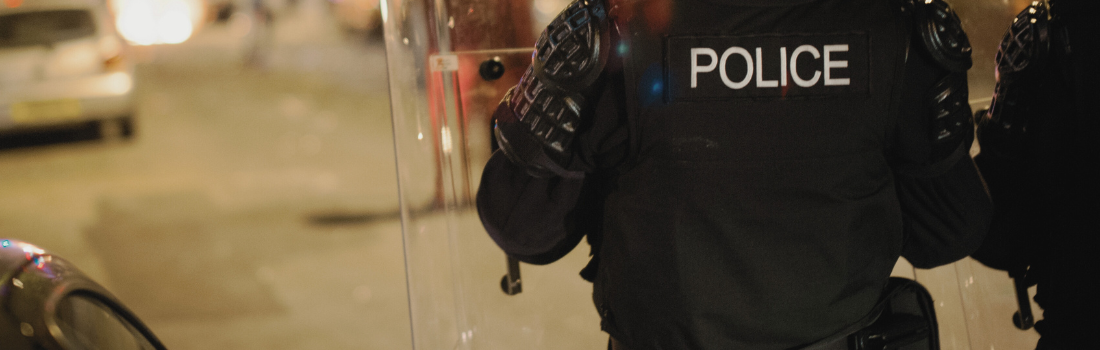
Body Armour Testing In The UK:
Before a bulletproof or stab proof vests hits the shelves, it undergoes rigorous testing to guarantee it meets specific protection levels. These tests should only be conducted by accredited laboratories in the UK, following strict guidelines set by the national standards body, the British Standards Institution (BSI). If the armour you're looking at purchasing doesn't have a testing certificate available, maybe think twice.
What Tests Does Body armour Undergo?
These tests simulate real-world scenarios to assess the effectiveness of the armour plates against various threats. Here are some common tests performed:
- Ballistic Testing: This involves firing specific types of ammunition at the vest from various distances to determine its ability to stop bullets.
- Spike and Slash Testing: Sharp objects like spikes and blades are used to assess the vest's resistance to puncture and slashing attacks.
- Blunt Trauma Testing: This test simulates the impact of a blunt object to measure the vest's ability to absorb and distribute the force of a blow, protecting the wearer from internal injuries.
Understanding UK Body armour Standards:
Once a vest successfully passes these tests, it can be certified according to specific UK standards. Here, we'll delve into the three most common standards you'll encounter when looking for a bulletproof vest UK: KR1 SP1, HO1 KR1 SP1, and sometimes NIJ3a...
Feeling a bit lost with what all of this means? No worries! Here's a run-down of each one, along with some pros and cons of each to help you navigate the options for a bulletproof and stab proof vest in the UK and find the perfect fit for your needs:
- KR1 SP1: KR1 offering knife protection up to 24 Joules (similar to a large kitchen knife) and SP1 signifying protection against spike attacks of 30 newtons, similar to a screwdriver. KR1 SP1 is ideal for where only basic protection against knife attacks and spikes are required (e.g., security guards, door supervisors). KR1 SP1 Vests are generally lighter weight and more affordable, than it’s counterparts but it doesn't offer ballistic protection.
- HO1 KR1 SP1: For higher risk professions or areas where there’s increased risk of gunfire. HO1 KR1 SP1 Offers the same lever of knife and spike protection as standard KR1 SP1 protection, plus ballistic protection against low-velocity handgun threats such as 9mm FMJ rounds. The extra protection does come at a cost as it’s generally both considerably heavier and more expensive than KR1 SP1.
- NIJ3a: Similar ballistic protection to HO1 KR1 SP1, not UK-specific but an American testing standard. NIJ3a is a well-known standard around the world, and because of this it’s often available in the UK to purchase. Availability and compliance testing in the UK might vary. Choose NIJ3a if familiarity with this standard is a major factor for you.
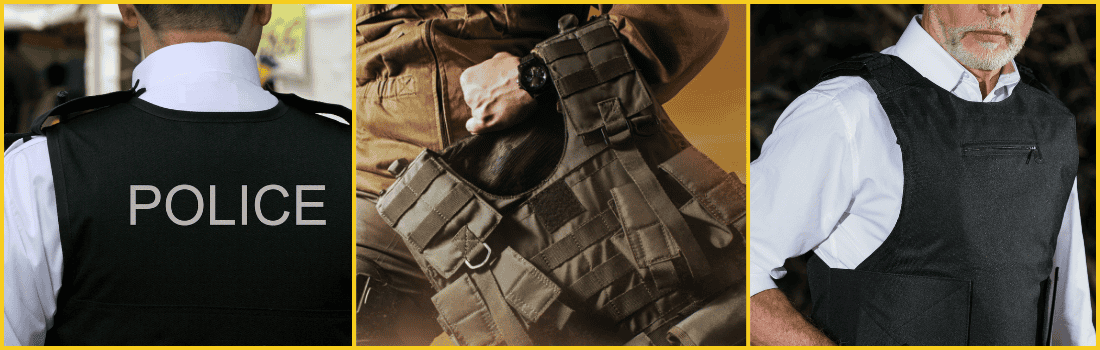
New or Second-Hand Body Armour?
Hopefully, we've now armed you with the information you need in order to chose which level of protection you require, we can now start looking at our other things to consider. With second-hand armour so readily available in today's marketplaces like Ebay, another huge consideration is, should you buy new or used. While the idea of saving money on body armour by buying second-hand can be appealing, there are several factors that make purchasing new a safer bet. Here's why:
- Safety First: Body armour degrades over time, losing its effectiveness in stopping blows or bullets. Previous wear and tear, exposure to extreme temperatures, or even improper storage can compromise its integrity. With second-hand armour, you have no way of knowing its history or potential weaknesses, putting your safety at risk.
- Unknown Protection Level: Even if the second-hand armour appears undamaged, you can't be certain of its original protection standard. Certifications and labels might be faded or missing, leaving you unsure of their ability to stop the specific threats you might encounter.
- Warranty and Fit: New body armour comes with a manufacturer's warranty, ensuring a replacement if there are any defects. You can also be fitted properly for optimal protection and comfort, which is crucial for unrestricted movement and injury prevention. Second-hand options often lack these guarantees.
Investing in new body armour offers peace of mind. You'll have the confidence of knowing it meets the latest safety standards, fits you perfectly, and is ready to provide the vital protection you need.
Choosing the Correct Size of Body Armour…
Now that you know what level of protection you're looking for and if you want to buy new or not, it’s important to get the fit right. Properly fitting body armour is crucial for optimal protection, as ill-fitting armour can not only limit movement but also compromise your overall safety.
The ideal body armour should adequately cover vital organs without hindering mobility, especially when sitting.
To determine the correct size, accurate measurements are necessary:
- Chest Size: Measure at the fullest part, keeping the tape level under your armpits and around your shoulder blades.
- Length Size: Find the front length by measuring from the collarbone down to the waistline and measure the back length by starting from the base of your neck and going down to the waistline.
- Waist Size: Measure your waist by wrapping a tape measure around your natural waistline, usually just above your belly button.
Who wears Body Armour?
Due to a slow but consistent rise in knife crime in the UK, body armour vests are becoming more popular in a growing number of occupations. It plays a crucial role in safeguarding professionals across various industries such as:
- Law Enforcement: Police officers, detectives, and other frontline personnel wear HO1 KR1 SP1 or similar ballistic vests for protection against firearms and bladed weapons.
- Security Personnel: Security guards, cash-in-transit guards, and door supervisors often wear KR1 SP1 vests for defence against knife attacks and other physical threats.
- Cash Handling Personnel: Armoured car personnel and bank employees handling large sums of cash might utilise vests with varying levels of protection depending on the risk assessment.
- Private Security: Bodyguards, close protection and personal security specialists might wear concealable / Covert body armour depending on the client's threat profile.
UK Body Armour FAQ’s:
- In the UK, is it legal to wear a stab vest? The United Kingdom does not have any specific legislation that prohibits individuals from wearing stab vests for personal protection. As long as the stab vests are acquired from legitimate sources and are not intended for illegal activities, individuals are allowed to buy and possess them.
- How heavy is body armour? While the weight of body armour can vary considerably depending on its level of protection and materials, a general range for police body armour is 2 to 5 kg (approximately 4.4 to 11 lbs). This weight can feel substantial, especially during long shifts or physically demanding situations.
- What body armour do UK police wear? HO1 KR1 SP1 body armour is commonly worn by the majority of police officers in the UK to safeguard against prevalent threats encountered during their regular duties. Nevertheless, the type of body armour worn may differ depending on the specific police force, unit, and geographical area.
Why Choose Police Supplies for your Body Armour Vests?
With our expert knowledge, commitment to customer satisfaction and unbeatable prices, you can trust that you're getting the best-rated classification of Body armour. We work hard to keep our prices competitive, with our price match promise, so you can rest assured that you're getting the best value for your money.
Here at Police Supplies, we pride ourselves on customer satisfaction and offer unbeatable prices for body armour. Our commitment to providing the best-rated classification of body armour ensures that you receive top-quality products. With our price match promise, you can be confident that you're getting the best value for your money.....Always!
When it comes to body armour vests, don't settle for anything less than the best. Choose Police Supplies and discover the difference by shopping with us today.
If you have any questions regarding your body armour requirements, our team is ready to help you. Contact us via email at [email protected] or by telephone on +44(0)151 548 0144. We can't wait to hear from you.